The oldest American economic story is not freedom. It is a bill you did not agree to but paid anyway.
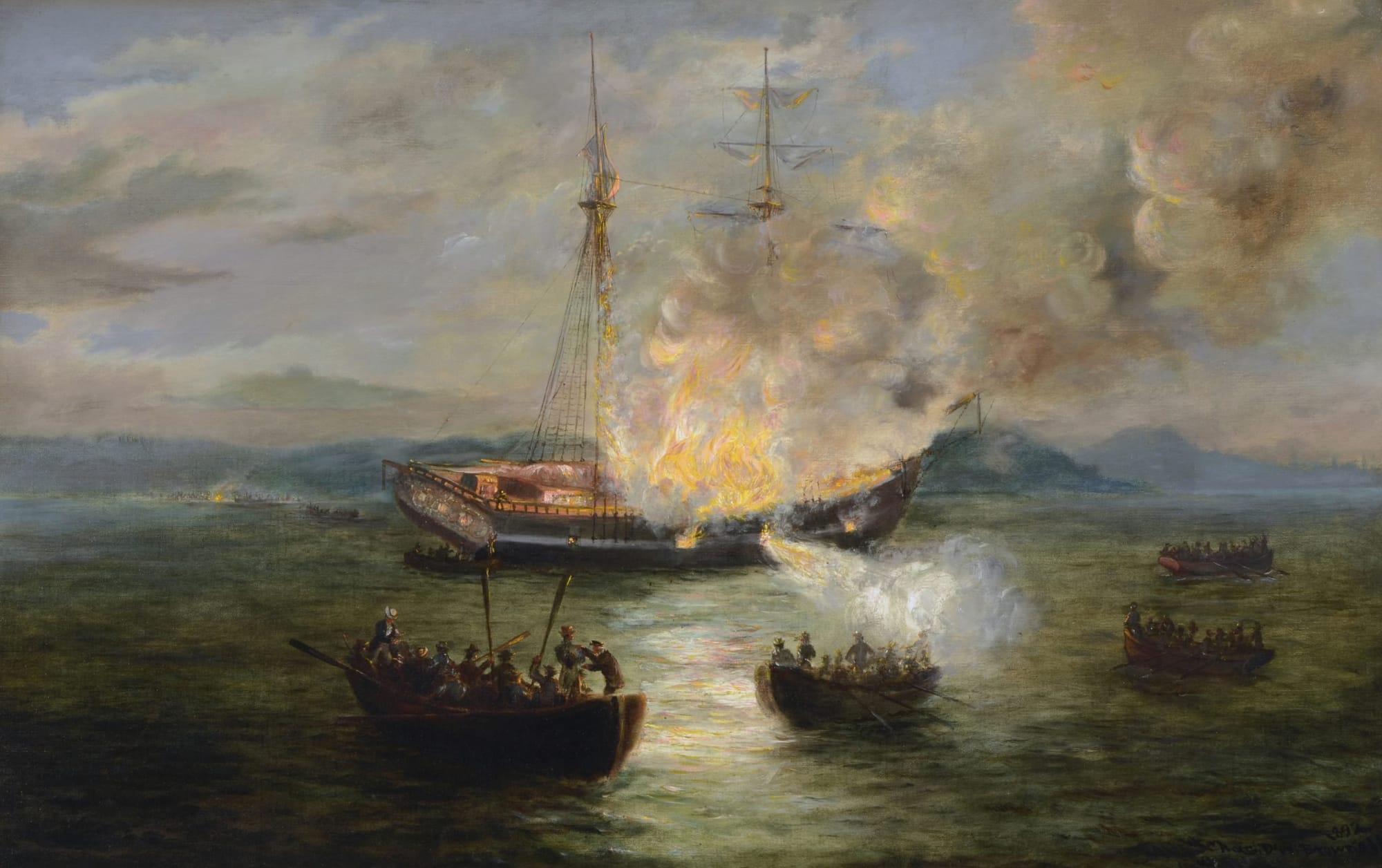
Thomas Barrow stands on the Bristol-facing dock in Boston Harbor, 1660, watching English customs agents board his tobacco ship. He has grown the leaf in Virginia, cured it in Maryland, loaded it at his own expense. He cannot sell it to the Dutch, who pay more. He cannot route it through a French port, which is closer. He must sell it to England, through English ships, at English prices. Thomas did not vote on this arrangement. Thomas was not asked.
The cargo in his hold is not his to move freely. It never was.
THE MOMENT
October 1651. The English Parliament passes the first Navigation Act — quietly, without ceremony, without the fanfare reserved for wars. No cannon fire. No proclamations in church squares. A bureaucratic paragraph in London restructures the entire economic life of people who will not read it for weeks.
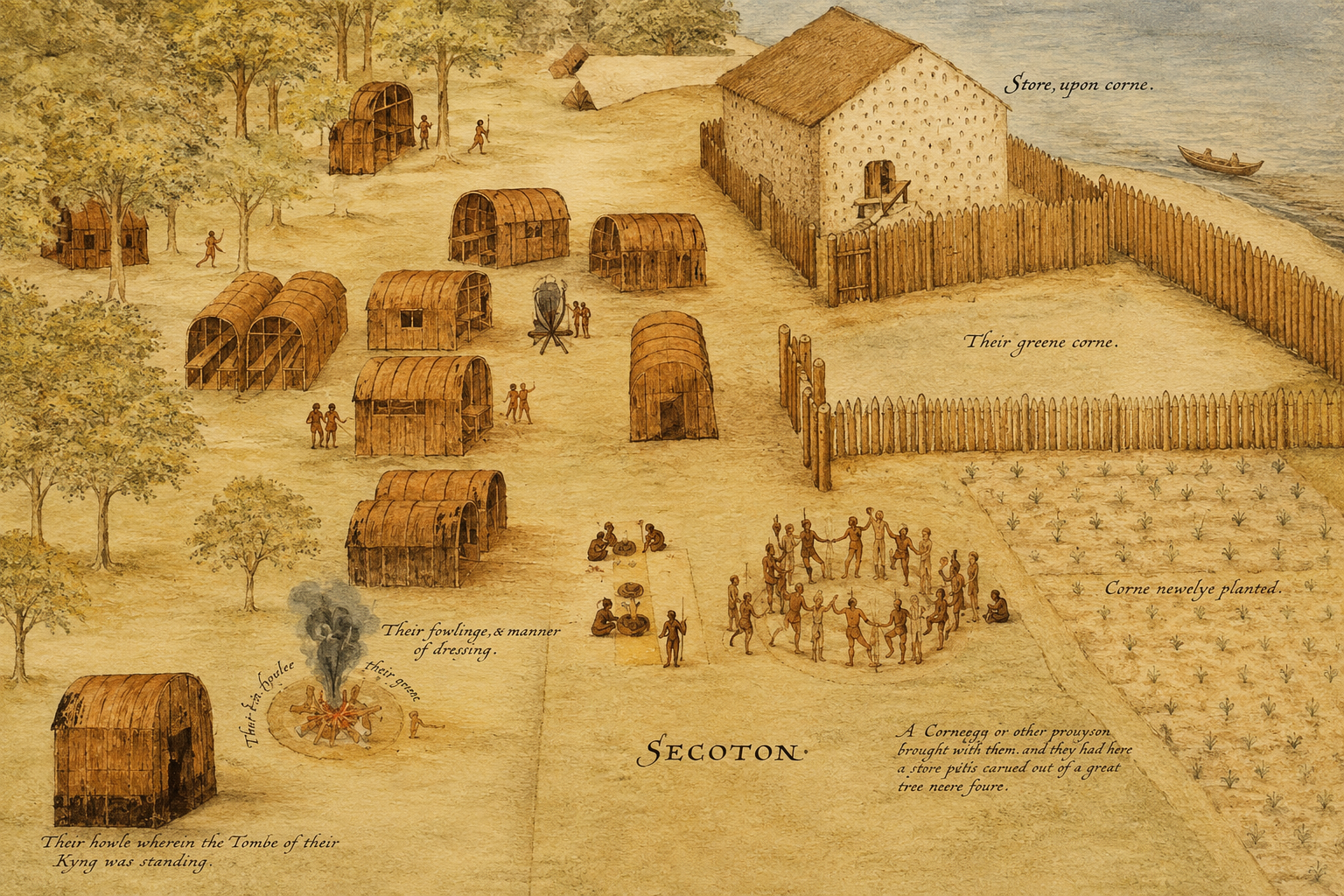
The Act's mechanism is simple and total: goods flowing to and from England's colonies must travel in English ships, crewed by English sailors, processed through English ports. The colonists can produce. They cannot trade. They can grow tobacco, harvest timber, mine iron — but they cannot decide where that wealth goes. That decision belongs to London.
The colonial merchant feels this not as a political crisis but as a price reduction that never reverses.
THE BIRTH
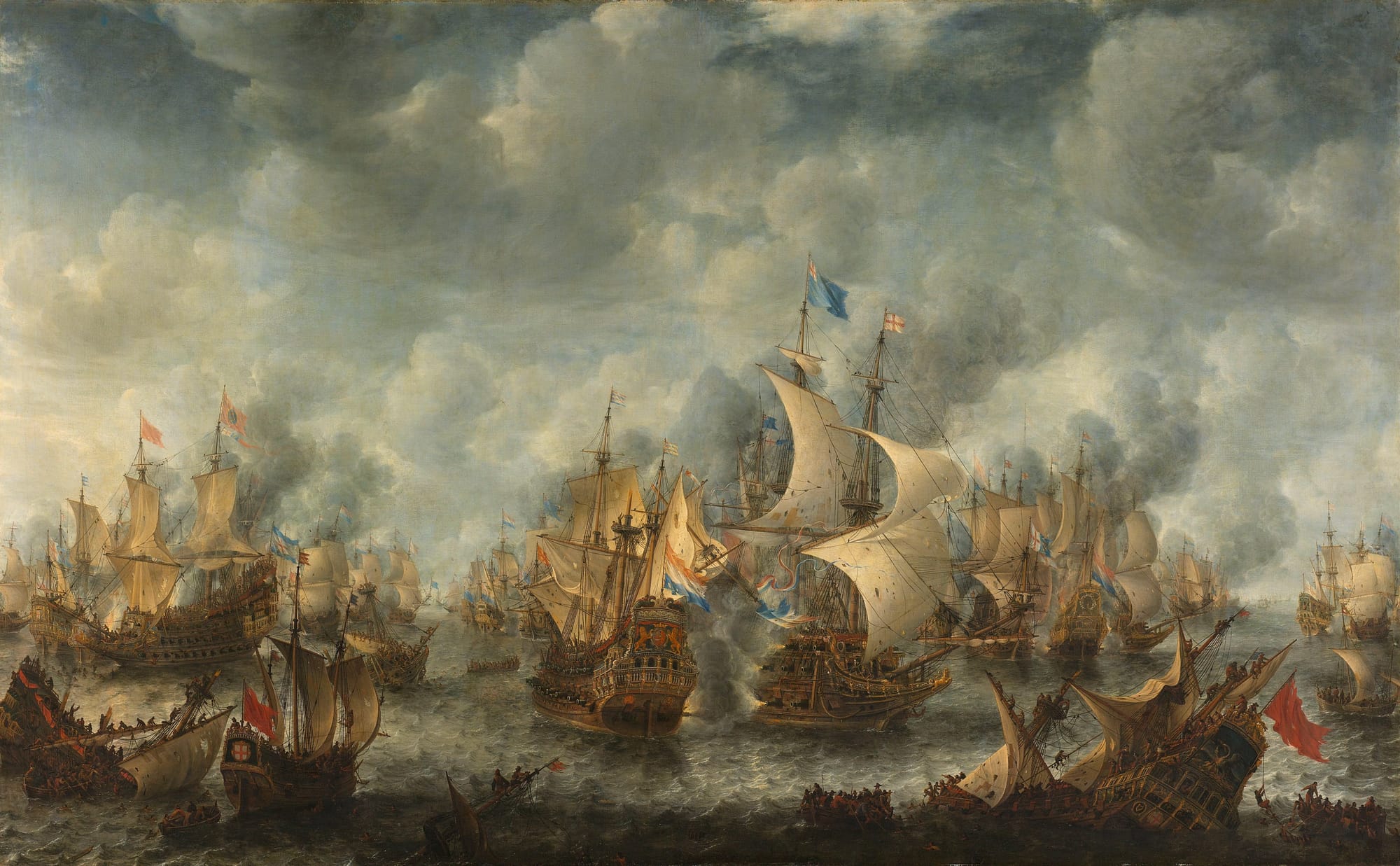
Parliament did not invent the Navigation Acts out of cruelty. It invented them out of fear — specifically, fear of the Dutch.
In 1651, the Dutch Republic ran the most efficient merchant fleet on earth. Dutch ships were cheaper to build, cheaper to crew, more agile in Atlantic swells. Dutch traders were buying American colonial goods and undercutting English merchants at every port. The English crown watched its commercial position erode and responded the only way a 17th-century empire knew how: it legislated a captive market.
The Navigation Act of 1651 targeted Dutch shipping directly. The Act of 1660 tightened the vise further, designating specific "enumerated commodities" — tobacco, sugar, cotton, indigo, ginger — that could only be shipped to England, regardless of where the colonial grower could fetch a better price. The 1663 Staple Act closed the loop: most goods imported to the colonies had to pass through England first, even if they originated elsewhere. Three acts. One cage.
The colonies were not a partner in this arrangement. They were the inventory.
THE EMOTION
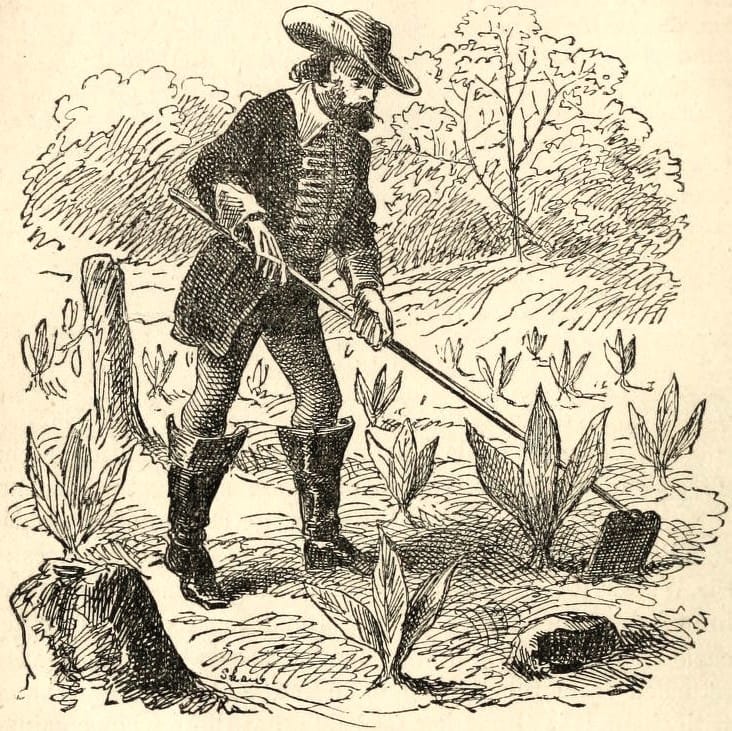
A Virginia tobacco planter in 1665 does not frame his frustration as constitutional philosophy. He frames it as arithmetic.
He knows what Dutch merchants will pay. He knows what English merchants pay. The gap is real, recurring, and un-negotiable. His crop produces the same labor regardless. His debt to London merchants — who have become his only legal buyers — compounds at the same rate either way. He cannot argue the price. He can only watch the spread between what his tobacco is worth and what he receives for it vanish into the Atlantic crossing, into the English middleman, into the customs duty that lines a treasury he will never touch.
This is not suffering in the dramatic sense. It is something more durable: the systematic removal of economic leverage from people who will, in a century, declare that taxation without representation is tyranny — but who first experienced it as a number that would not move.
THE CAUSE (The Chain)
The chain that built American resentment is financial before it is political.
Navigation Acts mandate English ships → Colonial goods reach fewer markets → Competition for colonial output drops → Prices paid to colonial producers fall → Colonists borrow from English merchants to cover operating costs → English merchant debt grows against colonial assets → Colonists cannot retire debt because prices remain suppressed → Resentment accumulates in account books, not pamphlets.
The Economic History Association's data at eh.net estimates that the Navigation Acts cost American colonists between £400,000 and £500,000 annually by the 1760s — roughly 1 to 2 percent of colonial GDP, a tax in everything but name. Robert Paul Thomas's foundational 1965 study in the Journal of Economic History placed the per-capita burden at approximately $1.24 annually per colonist — a modest figure that multiplied across 2.5 million people and sixty years becomes the economic sediment beneath the Boston Tea Party.
The Acts did not create poverty. They created a ceiling. And a ceiling that never rises produces its own kind of radicalization.
THE IMPACT TODAY
The Navigation Acts were formally repealed in 1849. The attitude they encoded took longer.
The federal government's power to regulate interstate and foreign commerce — Article I, Section 8 of the Constitution — is a direct architectural response to the colonial experience of having commerce regulated against you. The founders were not building a free market. They were building the opposite of what they had lived under.
That instinct lives in every federal enforcement action. When the Federal Reserve Board issues a supervisory action against an institution like SNB Bancshares, it is exercising exactly the regulatory oversight the founders intended to keep domestic — controlled by Americans, accountable to Americans, not administered from a foreign capital for a foreign benefit.
The difference between London's Navigation Acts and the Fed's enforcement regime is not the existence of rules. It is the direction of accountability. One extracted wealth outward. The other, at its best, keeps it honest at home.
THE IMPACT TOMORROW
The logic of the Navigation Acts did not die in 1849. It migrated.
Every contemporary debate about supply chain sovereignty — semiconductor manufacturing, rare earth dependency, agricultural export controls — rehearses the same structural question the colonies faced: who controls the terms of what you produce? A nation that grows the soybeans but does not set the price, a nation that assembles the phones but does not own the patents, a nation that mines the lithium but routes it through a foreign intermediary — these are Navigation Act problems wearing different clothes.
By 2076, the economic argument for domestic production chains, now called "reshoring" or "industrial policy," will be understood as the oldest American reflex. Not innovation. Memory.
THE HUMAN IT TOUCHED
She is a merchant's daughter in Charleston, 1740. She will never read the Navigation Acts. She will inherit her father's account books — the ones where the gap between the London price and the fair price appears every single season, listed without comment, accepted without appeal.
She does not know she is living inside a system. She knows her father drinks more in the autumn, after the London receipts arrive. She knows there is always debt. She assumes this is the nature of commerce.
She is right about one thing: it is.
Back at the Boston dock, Thomas Barrow watches the customs agent mark his manifest. The tobacco will go to Bristol. The Bristol merchant will set the price. Thomas will accept it because there is no other legal option — and because the alternative, running Dutch, means seizure of the ship, loss of the cargo, and a fine that would consume two seasons' earnings.
He turns back toward the warehouse. He has work to do.
The bill was written in London. Americans have been arguing about who writes the bill ever since.
Sources: Economic History Association (eh.net), Robert Paul Thomas, "A Quantitative Approach to the Study of the Effects of British Imperial Policy Upon Colonial Welfare," Journal of Economic History, 1965; Navigation Act of 1651, Parliament of the Commonwealth of England; Molasses Act, 1733, via archives.gov; Article I, Section 8, U.S. Constitution, via archives.gov; Federal Reserve Board enforcement actions, federalreserve.gov, 2025.
WALLPOST · wallpost.org · America, through money.
© 2026 WALLPOST. All rights reserved.